Everyday: A Fresh Display Font for Editorial Design
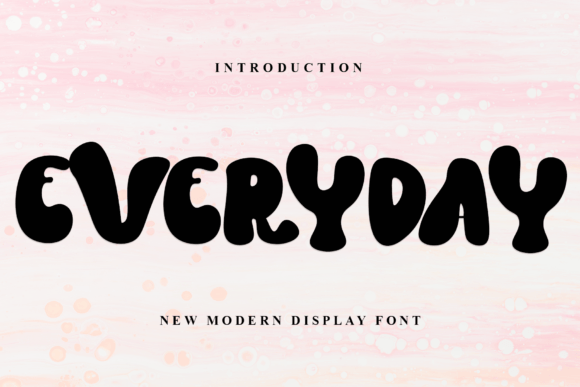
I remember the exact moment I realized my latest lifestyle blog redesign needed a new voice. The existing typography was functional but lacked the warmth required to connect with readers who were looking for something more than just information—they wanted a feeling. While browsing through various fonts, I stumbled upon Everyday, a charming display font imbued with a sense of freshness and casual elegance. Its fluid strokes and organic lines immediately evoked a laid-back vibe that seemed perfect for various design projects, especially one focused on storytelling.
Everyday is not merely a typeface; it is a visual mood setter that transforms static text into an inviting narrative experience. As an editorial designer, finding a display font that balances personality with structural integrity is always a challenge. This particular typeface manages to feel both handcrafted and polished, making it an ideal candidate for high-impact areas where you need to grab attention without overwhelming the reader. Whether you are crafting a digital magazine layout or designing a printable planner, the character of Everyday offers a unique rhythm that elevates the entire publication identity.
Everyday for Lifestyle Blog Headers and Cover Text
When redesigning the header of a personal brand website, using Everyday as the primary display font creates an immediate sense of approachability. The fluid strokes of this typeface mimic the natural flow of handwriting without sacrificing the legibility required for web navigation. Unlike rigid geometric sans-serifs or overly formal serifs, Everyday brings a casual elegance that resonates deeply with audiences seeking authentic connections. In my recent project, replacing the standard bold headers with Everyday increased the perceived value of the content, making the site feel more like a curated journal than a generic blog.
The versatility of Everyday shines when applied to cover text for digital magazines or feature pages. Its organic lines allow it to stand out against complex background images or clean white spaces alike. For creators building course PDFs or coaching workbooks, this font serves as an excellent anchor for chapter titles and section dividers. It guides the eye naturally through the document, establishing a visual hierarchy that feels intentional yet effortless. By choosing Everyday for these prominent elements, designers can ensure their content branding remains consistent while maintaining a relaxed, modern aesthetic.
Why Everyday Works Best for Titles Over Body Copy
It is crucial to understand where Everyday fits within a typographic system. While its charm is undeniable, this display font is optimized for headlines, pull quotes, and decorative accents rather than dense paragraphs. The expressive nature of its strokes, combined with its fluid rhythm, makes it less suitable for long-form reading on small screens. When used for extended body copy, the organic variations can sometimes distract from the message, reducing overall readability.
Instead, Everyday excels when paired with a highly readable serif font for the main text. This combination leverages the best of both worlds: the emotional appeal of Everyday in the headlines draws the reader in, while the neutral, structured nature of a companion serif ensures comfort during long reading sessions. For newsletter graphics or social media posts, using Everyday for the subject line or main graphic text creates a striking contrast that stops the scroll. However, keeping captions and subheadings in a cleaner sans serif font helps maintain clarity and professional polish.
Everyday for Wedding Guides and Recipe Ebook Covers
In the realm of digital products, first impressions are everything. I recently tested Everyday on the cover of a recipe ebook intended for home cooks, and the results were transformative. The fresh, laid-back vibe of the typeface perfectly captured the essence of homemade food—inviting, unpretentious, and full of life. For wedding guides or bridal planners, Everyday offers a level of sophistication that feels romantic without being overly ornate or archaic. Its ability to convey "casual elegance" makes it a top choice for brands targeting modern couples or food enthusiasts who value authenticity.
Using Everyday for printable planners and worksheets also demonstrates its adaptability across different mediums. The organic lines of the fonts translate beautifully to print, adding a tactile quality to digital downloads. When creating a branded workbook for coaches or consultants, incorporating Everyday into the title page and key instructional headers adds a layer of thoughtfulness that clients appreciate. It signals that the content has been crafted with care, enhancing the perceived authority of the creator while remaining accessible.
Pairing Strategies for Modern Typography
To get the most out of Everyday, strategic pairing is essential for a balanced editorial design. Since this display font carries significant visual weight, it pairs exceptionally well with classic serif fonts like Garamond or Merriweather for body text. This contrast ensures that the playful nature of Everyday does not clash with the serious task of reading. For digital interfaces, such as blog sidebars or navigation menus, a clean sans serif font provides the necessary structure to ground the design.
Before integrating Everyday into your commercial projects, it is wise to review the included styles, alternates, and ligatures. Many premium fonts come with special characters that enhance the fluidity of the design, allowing for custom wordmarks or logo design elements. Checking for multilingual support is also important if you plan to expand your reach globally. Additionally, verifying the commercial font licensing terms ensures that you can use the typeface in client publications, paid newsletters, and digital downloads without legal complications. With the right preparation, Everyday becomes a powerful asset in your creative toolkit, ready to elevate any project that demands a touch of freshness and calm expertise.